Science-First Cognitive Performance

Your brain
runs on systems,
not stimulants.

Most cognitive support targets symptoms. Omnyx Labs targets the foundation — the mineral systems, nervous pathways, and cellular machinery that determine how well your brain actually performs.

Core Philosophy
Mushrooms don't create performance — they restore and optimize the systems that make performance possible.
Omnyx Labs · Brand Position
Mechanism
NGF
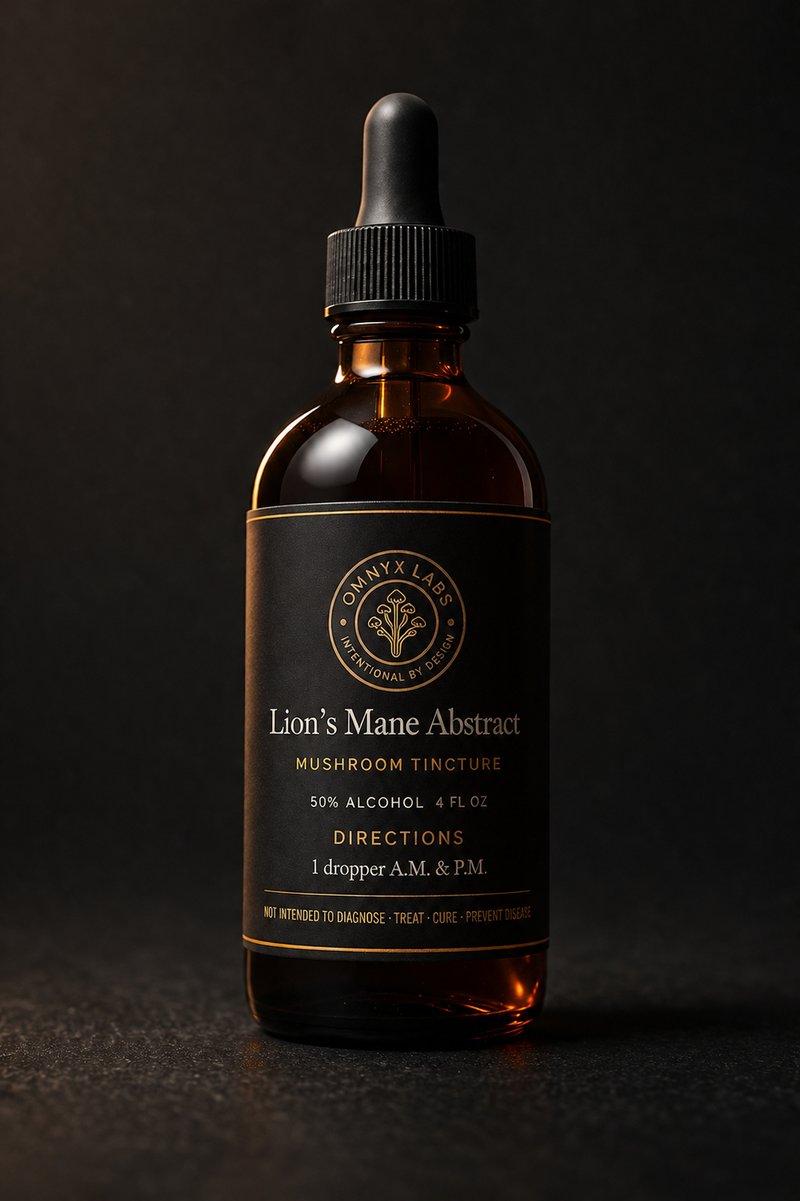
Nerve Growth Factor signaling via Lion's Mane
Energy Domain
ATP
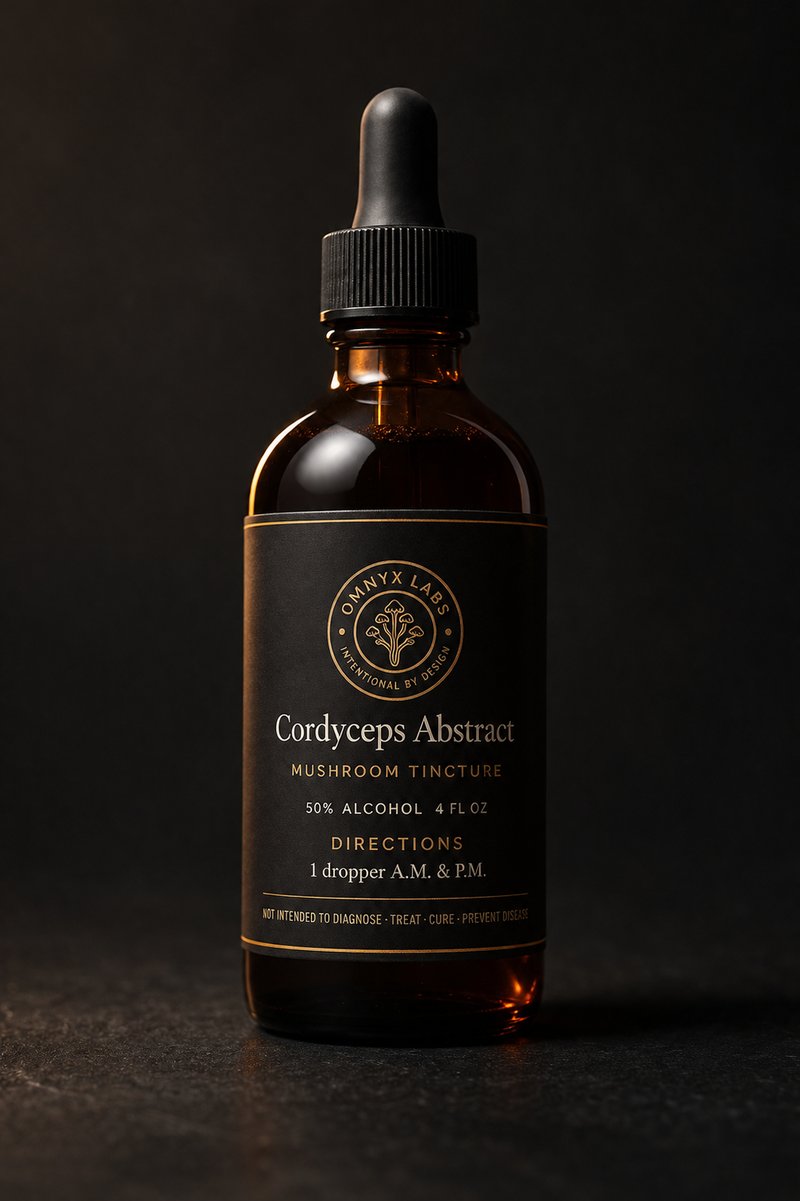
Mitochondrial support via Cordyceps
Approach
Foundation over stimulation. Mechanism over marketing. Systems over symptoms.
ATP Production 🧠 Neuroplasticity ⚖️ Stress Physiology 🔬 Gut-Brain Axis 🌿 Functional Mycology Mineral Systems 🧬 Synaptic Function 🌱 HPA Axis Regulation ATP Production 🧠 Neuroplasticity ⚖️ Stress Physiology 🔬 Gut-Brain Axis 🌿 Functional Mycology Mineral Systems 🧬 Synaptic Function 🌱 HPA Axis Regulation

Brain fog isn't a
sleep problem.
It's often a systems problem.

Your brain operates on electrochemical signals. Those signals depend on minerals, neurotransmitters, and cellular energy systems working in coordination. When one layer fails, cognitive performance suffers — not because you're tired, but because the foundation is underpowered.

The supplement industry sells stimulation. We're building something different — support for the actual mechanisms behind human cognitive performance.

Omnyx Labs · Founding Principle
01 · The Signal Layer
Neurons Need Electrolytes

Sodium, potassium, magnesium, and calcium govern how electrochemical signals travel between neurons. Deficiencies don't announce themselves — they just quietly degrade transmission speed and signal quality.

02 · The Energy Layer
Your Brain Burns 20% of Your Calories

Cognitive function is metabolically expensive. Mitochondrial efficiency, ATP availability, and oxygen utilization directly determine how much mental bandwidth you have at any moment.

03 · The Adaptation Layer
Stress Reshapes Neural Architecture

Chronic stress dysregulates the HPA axis, suppresses neuroplasticity, and impairs the formation of new neural connections. This isn't about mood — it's about structural brain function over time.

04 · The Communication Layer
The Gut-Brain Axis Is Real

Roughly 90% of serotonin is produced in the gut. The enteric nervous system and vagus nerve form a bidirectional highway between gut health and cognitive state — one most supplements ignore entirely.

Four mechanism domains.
One integrated system.

Every product and piece of content at Omnyx Labs is built around these four scientific domains. Not as marketing language — as actual mechanisms of action.

Pillar 01
Energy Systems
ATP Production · Mitochondria · VO₂ Max

Cordyceps supports mitochondrial efficiency and oxygen utilization — the cellular energy systems that determine how much cognitive and physical performance you have in reserve.

🧠
Pillar 02
Cognitive Performance
NGF · BDNF · Neuroplasticity

Lion's Mane supports Nerve Growth Factor and Brain-Derived Neurotrophic Factor — the signaling proteins behind learning, memory formation, and the brain's ability to adapt and rewire.

⚖️
Pillar 03
Stress Physiology
HPA Axis · Cortisol · Adaptogenic Regulation

Reishi helps modulate the stress response at a hormonal level — supporting HPA axis regulation and cortisol balance without sedation, promoting resilience over mere relaxation.

🔬
Pillar 04
Gut-Brain Axis
Microbiome · Immune Modulation · Vagus Nerve

Turkey Tail's prebiotic polysaccharides support gut microbiome diversity and immune function — foundational to the gut-brain communication pathway most cognitive frameworks overlook.

Functional Mycology

The compounds.
The mechanisms.
The science.

Four functional mushrooms. Each with a distinct mechanism of action. Understood at the cellular level — not just recommended by wellness influencers.

🦁
Cognitive · Neurological
Lion's Mane
Hericium erinaceus

The most researched functional mushroom for cognitive performance. Lion's Mane stimulates the synthesis of Nerve Growth Factor (NGF) — a protein critical to the growth, maintenance, and survival of neurons. Its active compounds, hericenones and erinacines, cross the blood-brain barrier and directly influence neuroplasticity.

NGF Synthesis Neuroplasticity BDNF Support Myelination
🍄
Stress · Immune · Recovery
Reishi
Ganoderma lucidum

Known as the "mushroom of immortality" in traditional medicine, Reishi's modern scientific profile centers on adaptogenic regulation. Its triterpenes modulate the HPA axis response to stress, while its beta-glucans support immune function. It calms without sedating — supporting the nervous system at a regulatory level.

HPA Axis Modulation Cortisol Balance Beta-Glucans Immune Modulation
Energy · Performance · Endurance
Cordyceps
Cordyceps militaris

Cordyceps operates at the mitochondrial level — supporting ATP production, the cellular energy currency that fuels every function in the body, including cognition. Research indicates it supports VO₂ max and oxygen utilization, which matters for both physical endurance and mental stamina during sustained cognitive effort.

ATP Production Mitochondrial Efficiency VO₂ Max Cordycepin
🌿
Gut-Brain · Immune · Microbiome
Turkey Tail
Trametes versicolor

Turkey Tail contains PSK (polysaccharide-K) and PSP — among the most studied immunomodulatory compounds in mycology. By supporting gut microbiome diversity, Turkey Tail directly influences the gut-brain axis, the bidirectional communication system now understood to be central to mood, cognition, and systemic inflammation.

PSK · PSP Polysaccharides Microbiome Support Gut-Brain Axis Immune Function
The Scientific Frontier

Where the research
is going next.

This section is different. Psilocybin is not a functional mushroom supplement — it is an emerging clinical therapy. We cover it because the science is serious, the mechanisms connect directly to neuroplasticity, and the conversation deserves rigour over silence.

A Note on Scope

Psilocybin is a Schedule I controlled substance under federal law. Its administration in therapeutic contexts requires clinical oversight. Nothing on this page constitutes medical advice or endorsement of unsupervised use. We include it because the science is serious and the policy landscape is actively shifting.

🔬
Emerging Clinical Research · Not a Supplement
Psilocybin
Psilocybe cubensis & related species · Active compound: Psilocin

Psilocybin is a naturally occurring compound found in over 200 fungal species. When metabolized, it becomes psilocin — which binds to serotonin 5-HT2A receptors concentrated in the prefrontal cortex. The result is a dramatic, temporary suppression of the Default Mode Network (DMN) — the brain's self-referential loop most associated with rumination, depression, and rigid thought patterns. Research across Johns Hopkins, NYU, and Imperial College London has demonstrated significant clinical outcomes for treatment-resistant depression, PTSD, addiction, and end-of-life anxiety in structured therapeutic settings.

5-HT2A Agonist Default Mode Network Neuroplasticity Reset FDA Breakthrough Therapy Connectome Flexibility
Clinical Finding
71%

of major depression patients showed significant response at 4 weeks post psilocybin therapy — Johns Hopkins University

Addiction Research
80%

abstinence rate from tobacco at 6-month follow-up in psilocybin-assisted cessation trial, vs ~35% for leading medication

FDA Status
Breakthrough Therapy

Designation granted for treatment-resistant depression — reserved for compounds showing substantial improvement over available therapies

The Mechanism

The Default Mode Network — Your Brain's Self-Referential Loop

The DMN activates when you're not focused on an external task — during rumination, worry, self-criticism, and the replay of difficult memories. In depression, PTSD, and addiction, it becomes overactive and rigid. Psilocybin temporarily suppresses this network, allowing novel neural connections to form across regions that rarely communicate — a state researchers describe as increased connectome flexibility.

The Policy Shift

Why This Conversation Is Happening Now

In April 2026, a federal executive order directed agencies to accelerate research into psychedelic therapies for veterans and those with treatment-resistant conditions. Oregon and Colorado have created regulated frameworks for supervised psilocybin services. Clinical trials are now running at Johns Hopkins, NYU, UCSF, and Imperial College London. The science has moved ahead of the policy — and the policy is catching up.

Deep Dive

Read our full breakdown of psilocybin, the Default Mode Network, and the neuroscience of change.

Read the Article →

* Psilocybin remains a Schedule I controlled substance under federal law. This section is for educational and informational purposes only and does not constitute medical advice, endorsement of illegal activity, or recommendation for unsupervised use. Consult a qualified healthcare provider regarding any mental health treatment decisions.

Mineral Systems

The electrical
infrastructure of
cognition.

Minerals are not optional additions to a wellness routine. They are the fundamental infrastructure that determines whether your brain's electrical signaling system functions properly.

Think of them this way: your neurons are the wires. Minerals are the electrical current. Without adequate mineral balance, signals degrade, synapses misfire, and neurotransmitter conversion becomes inefficient — regardless of how much sleep you get or how clean your diet is.

* This content is educational in nature and not intended to diagnose, treat, cure, or prevent any condition.

Mineral Primary Brain Role Deficiency Signal
Magnesium
Mg
Regulates NMDA receptor activity; supports calm, focused neural signaling and synaptic plasticity Anxiety, poor sleep quality, difficulty concentrating
Zinc
Zn
Essential for synaptic function and modulates glutamate transmission in the hippocampus Impaired memory, cognitive sluggishness
Iron
Fe
Oxygen transport to the brain; required for dopamine synthesis and myelination Mental fatigue, poor motivation, brain fog
Copper
Cu
Cofactor for dopamine-to-norepinephrine conversion; involved in neuronal energy metabolism Low energy, mood dysregulation
Selenium
Se
Antioxidant protection for neurons; supports thyroid function which governs cognitive metabolism Brain fog, slowed cognitive processing
The Omnyx Standard

We don't build products that override your biology.
We build tools that support the systems already inside you.

Science-first. Credibility over virality. Mechanisms, not marketing. This is what it means to take cognitive health seriously.

Join the Omnyx Community
Learn

Education is the
foundation of trust.

Every piece of Omnyx Labs content is built around one framework: What does the science say? How does it work? Why does it matter in real life?

Why Brain Fog Is Often a Mineral Problem, Not a Sleep Problem

Your brain runs on electrochemical signals. Those signals depend on minerals. When electrolyte balance is off, cognitive performance suffers — quietly and progressively.

Read the breakdown
NGF, BDNF, and What Neuroplasticity Actually Means for Daily Performance

Neuroplasticity isn't just about learning new skills. It governs how resilient your brain is under stress, how quickly you recover from cognitive fatigue, and how well your memory consolidates over time.

Read the breakdown
Psilocybin and the Default Mode Network — The Scientific Frontier

The neuroscience of psilocybin-assisted therapy, the Default Mode Network, and why the most important development in mental health in a generation connects directly to everything we know about neuroplasticity.

Read the breakdown

Science-first content.
No noise.

Join the Omnyx Labs community for educational breakdowns on brain science, functional mycology, and mineral systems — written by people who actually understand the mechanisms.